
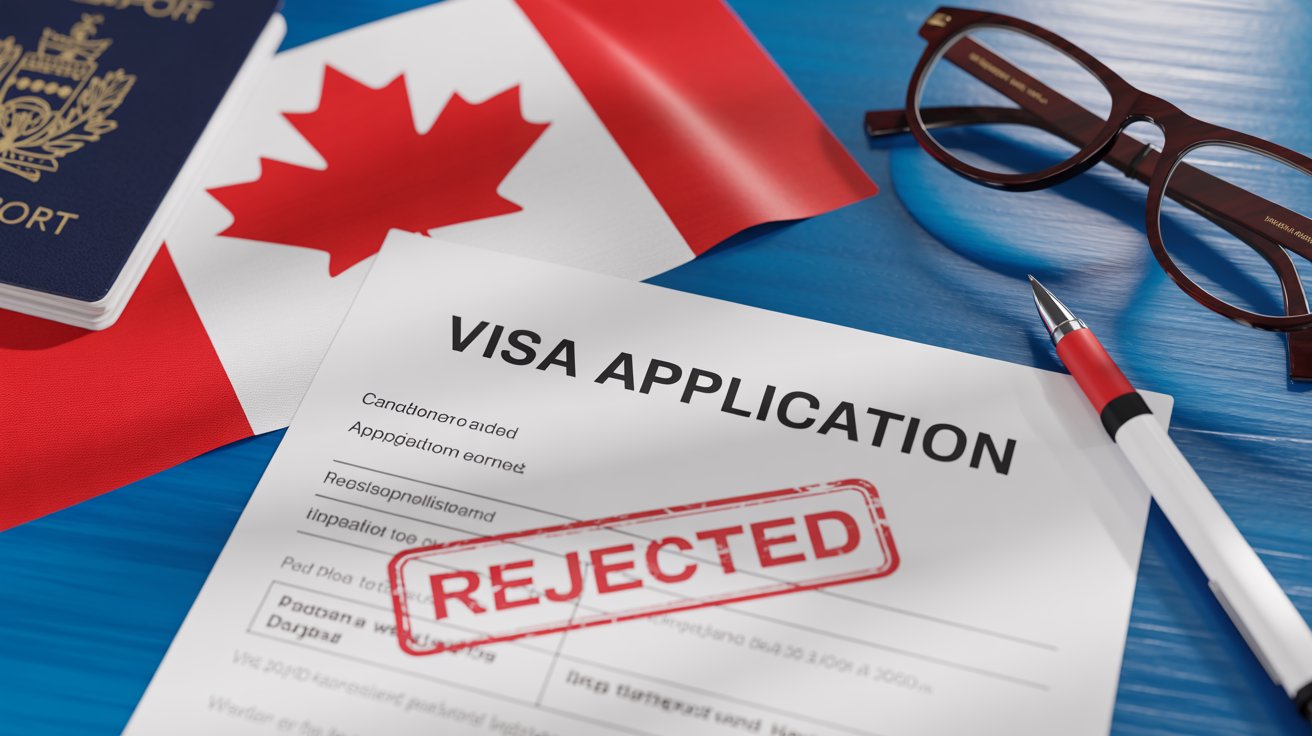
The time of high-volume immigration in Canada is over. As Canada moves into 2026, the government has shifted from fast population growth to a stricter, “integrity-first” approach. Temporary resident numbers have been reduced to less than 5% of the total population. With the discontinuation of the Student Direct Stream (SDS) and the introduction of AI-assisted vetting via tools like "Chinook," the IRCC is no longer just looking for eligibility. They are looking for high-value intent.
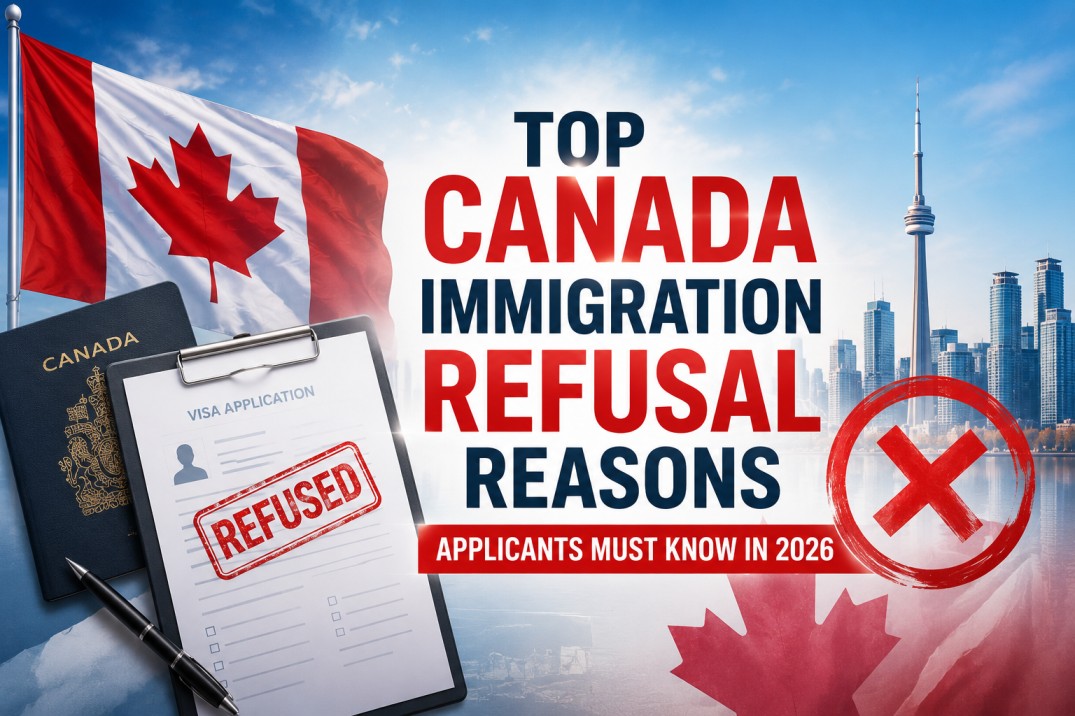
Understanding the reasons for Canada visa rejection and how to avoid them in 2026 goes beyond simply following a checklist. It involves navigating a process where rejection has become common for any application that isn't perfect. To get approval, you must move beyond "minimum requirements" and build a case that proves your stay is both temporary and logically beneficial.
The rejection rates in early 2026 have increased significantly because of the use of the "Chinook" AI-processing tool and new regional intake limits. Visa officers now have stricter rules to check every detail, which often leads to refusals for minor mistakes that might have gone unnoticed in past years. To succeed in this challenging environment, applicants must focus on the following important areas:
Your application was denied because you did not show that you can support yourself and your family members who will travel with you. The IRCC introduced new cost-of-living requirements, making the old bank balance standards outdated. The officer will question your financial stability if your bank statements have irregular deposits or lack deposit details. They may suspect the use of "parked funds." ( money borrowed only for the application.)
You need to establish your intention to depart Canada at the end of your authorized time in the country when applying for temporary resident visas (visitor, student, or work). Your visa application will be rejected if you cannot demonstrate strong ties to your home country through stable employment, property ownership, or close family connections.
Having a blank passport can sometimes make it harder to get a visa, but it is not a direct reason for refusal. The most common reason applicants fail to meet the requirements is that they do not provide complete travel documents. Problems can also arise if you submit incomplete documents. Any inconsistency between your application and your supporting documents will result in a rejection based on misrepresentation.
International students frequently receive application rejections because they lack commitment to their current academic path. The IRCC will view your application for a Diploma in Hospitality as a deceptive move because you already hold a Master’s degree in Engineering.
Canada has a strict zero-tolerance rule against any type of misrepresentation. An error in the date or a missing visa refusal record from a previous country can result in a five-year entry ban from Canada.
To ensure your application stands out for the right reasons, follow these practical tips to avoid Canada visa rejection in 2026:
1. Provide a Transparent Financial Narrative
Do not just show a final balance. Provide 4–6 months of bank statements and a letter explaining the source of any large deposits to avoid suspicions of "parked funds."
2. Draft a Strong Statement of Purpose (SOP)
Your SOP is your voice. Use it to explain why you are visiting or studying, and specifically what ties you have to your home country that will ensure your return.
3. Align Your Career Path
If applying for a study permit, ensure your course is a logical next step. If you are changing fields, use your SOP to provide a professional justification for this shift.
4. Disclose Previous Refusals
Always be honest about previous rejections. Transparency builds trust and prevents permanent bans for misrepresentation.
5. Verify Provincial Requirements
Ensure you have the correct and current Provincial Attestation Letter (PAL) if required for your category, as these are subject to strict regional quotas in 2026.
The Reasons for Canada Visa Rejection and how to avoid them in 2026 often come down to how well you can tell your story through paperwork. In the current year, IRCC is utilizing more AI-assisted processing tools (like Chinook). These tools look for specific data points. If your application is disorganized or lacks clarity, the system may flag it for closer review, increasing the likelihood that a human officer will find grounds for refusal.
Optimize for Digital Screening
Because tools like Chinook prioritize efficiency, the physical presentation of your digital file matters. You should ensure that every document is high-resolution, properly scanned, right-side up, and clearly labeled so it is easy to review. If you are submitting documents that are not in English or French, make sure you use certified professional translations to avoid technical red flags that could negatively affect your application.
Strengthen Your "Temporary Intent"
In 2026, having a vague purpose for your visit is considered high-risk. You need to clearly show that your trip is planned, structured, and temporary. If you’re applying for a Canadian visitor visa, you need to show clear proof of your travel plans.
Ask your host in Canada to write you an invitation letter. It’s even better if the letter is notarized (officially signed and stamped). This makes your application stronger.
Master Dual Intent and Understand the Burden of Proof
Focus heavily on "Dual Intent." Canadian law lets you intend to stay permanently, like through Express Entry, while applying for a temporary visa. However, you must still convince the officer that you will leave if your permanent residency is not granted. This detail is where many applicants struggle. By following these tips, you can change from being a "risky" applicant to a "low-risk" candidate. Keep in mind that the burden of proof falls entirely on you. You must eliminate any doubt in the officer's mind about your finances, history, and intentions.
When your future in Canada is at stake, professional legal help is essential. ImmiLaw Immigration is a top authority in this field. We provide services ranging from study permits and work visas to complicated permanent residency appeals. Our team of experienced immigration lawyers and regulated consultants understands the 2026 regulatory changes. By offering personalized assessments and document reviews, ImmiLaw Immigration ensures your application is solid, compliant, and prepared for success. Whether you’re addressing a previous refusal or applying for the first time, our expertise helps you confidently navigate the complexities of IRCC protocols.
Read to know: How International Graduates Can Get PR in Canada Faster





 (2)68c2c24f359ca.jpg)


 CANADA
  +1 (647) 767-0672