

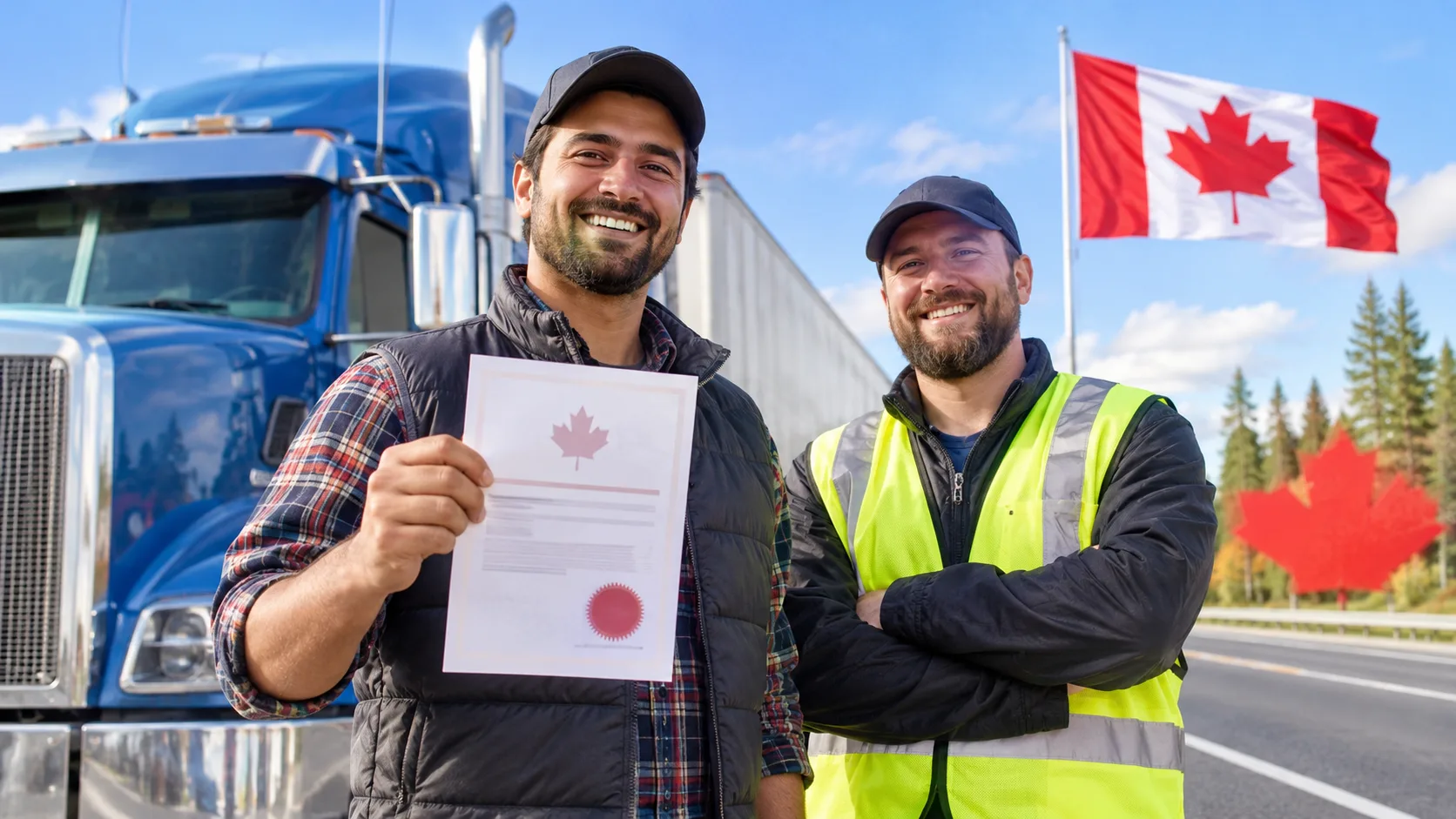
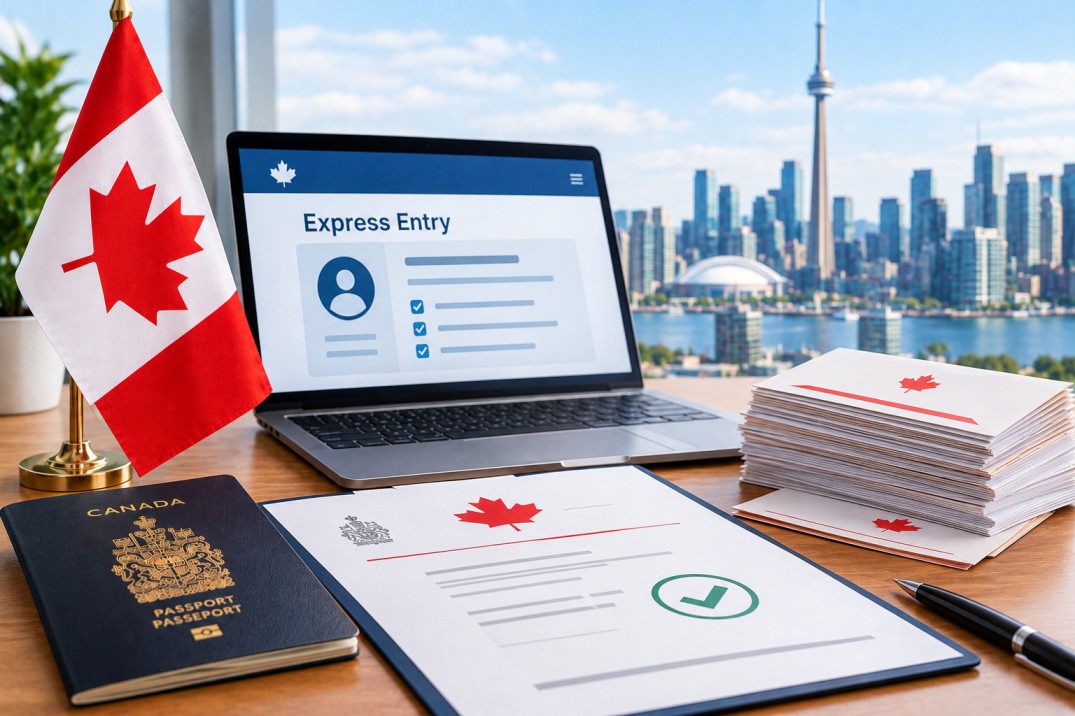
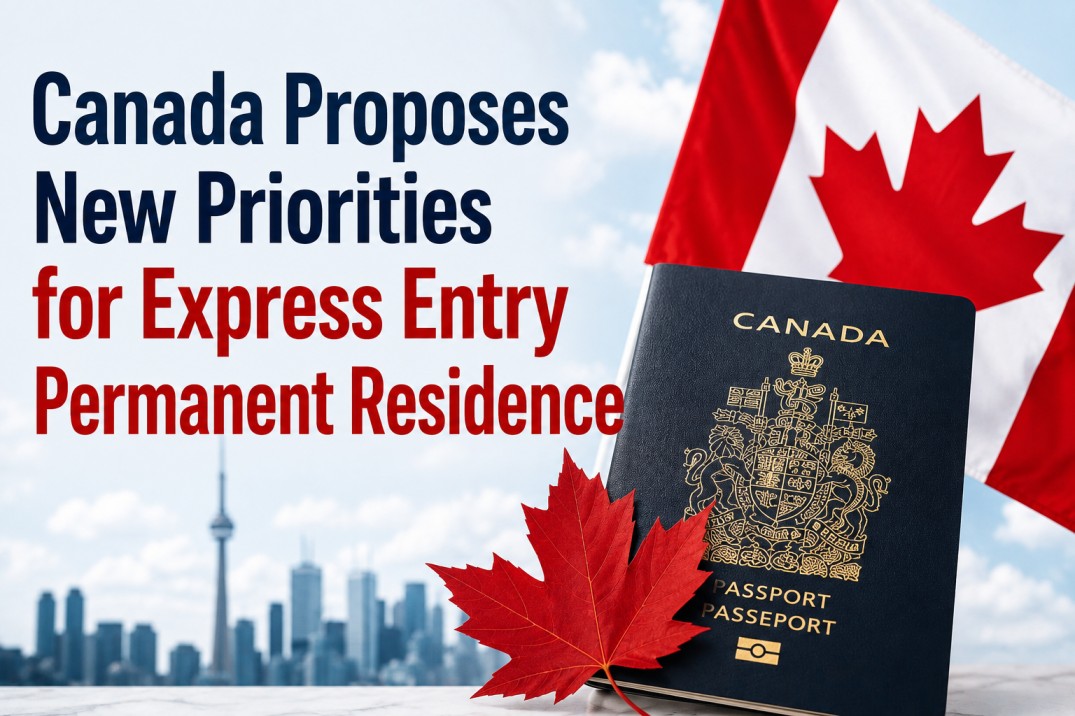
Canada has introduced significant changes to its Express Entry system. The changes, which came into effect on November 3, 2026, create new opportunities for candidates with Canadian work experience, particularly those employed in eligible high-wage occupations.
Previously, candidates received CRS points for Canadian work experience primarily based on work duration, regardless of the occupation's wage level. Under the new rules, candidates with at least 12 months (1,560 hours) of qualifying Canadian work experience in designated high-wage occupations can earn additional points. The work experience must be in NOC TEER 0–3 occupations on IRCC’s high-wage list, and it must have been gained within the last 10 years. They can get
These bonus points are added to applicable Canadian work experience points under the new Labour Market Integration (LMI) factor. Under the LMI factor, candidates can get a maximum of 150 points without an accompanying spouse and 140 points with an accompanying spouse or common-law partner.
Candidates with qualifying job offers in designated high-wage occupations can alternatively receive 100, 70 or 50 CRS points, depending on the occupation's median wage. The job offer must be full-time and last at least one year after the person becomes a permanent resident.
Another major change is the exemption of the LMIA requirement for qualifying job offers used to claim CRS points and meet applicable Federal Skilled Worker (FSW) and Federal Skilled Trades (FST) program eligibility requirements. However, all job offers must still satisfy IRCC's applicable eligibility criteria.
The new rules allow candidates to benefit either from the Canadian work experience route or the qualifying job offer route, whichever provides the higher score. Both of them cannot be combined.
Read to know: Canada Invites 5,000 French Speakers To Permanent Residency























































6a953b032f7ee.jpg)












6a7c163ce6b6e.png)
6a7c0d8d9cdfd.png)














 CANADA
 +1 (647) 767-0672