

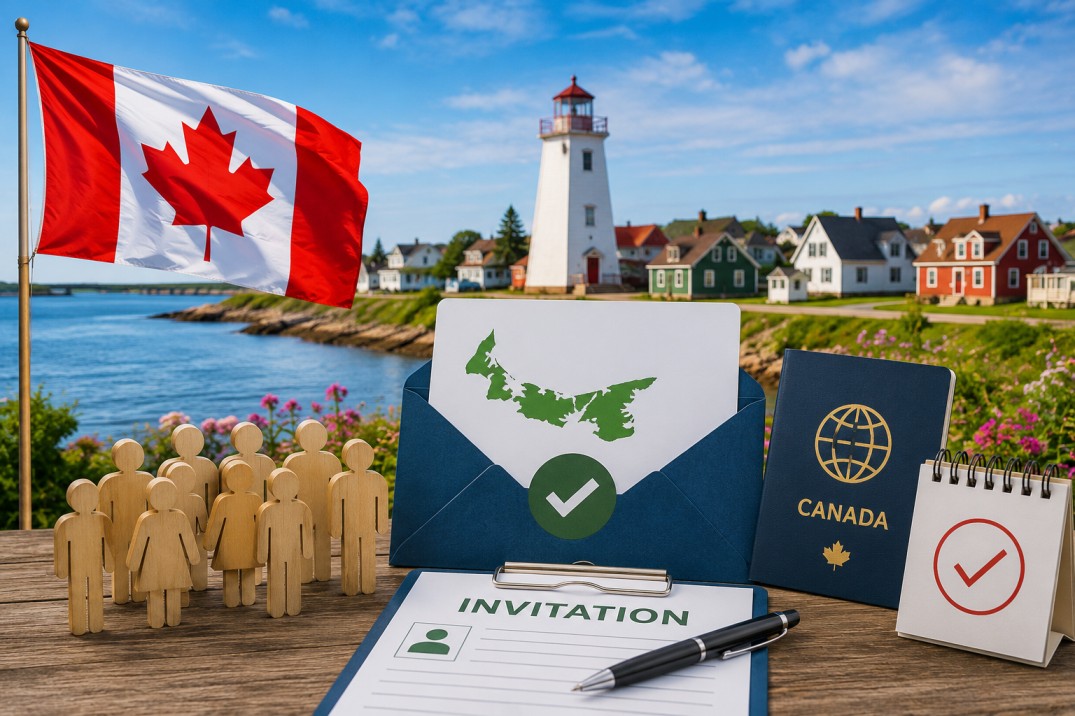
The Rural Community Immigration Pilot (RCIP) is transitioning into a permanent immigration program with effect from January 1, 2027. The Canadian government made this announcement on 9th November 2026. The transition will give new opportunities for eligible foreign workers who are seeking PR through employment in designated rural communities.
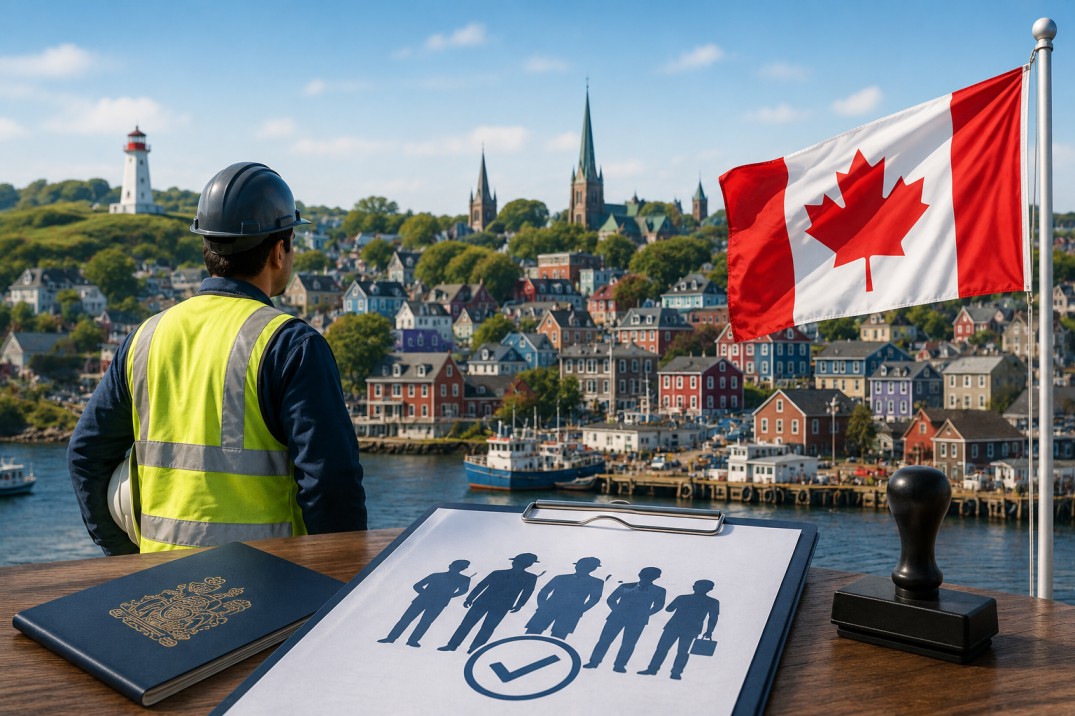
RCIP is particularly important for skilled workers with experience in occupations that meet the labour demands of the participating rural communities. Under the existing RCIP criteria, applicants generally need at least one year (1,560 hours) of relevant work experience within the last three years, an eligible job offer, approved language test results, the required educational qualifications and also sufficient settlement funds. The permanent program is expected to retain the community-driven and employer-led approach, while applicants should check the final 2027 eligibility rules before applying.
Which Communities Are Participating?
The program is expected to continue across 14 communities: Pictou County in Nova Scotia; North Bay, Sudbury, Timmins, Sault Ste. Marie and Thunder Bay in Ontario; Steinbach, Altona/Rhineland and Brandon in Manitoba; Moose Jaw in Saskatchewan; Claresholm in Alberta; and West Kootenay, North Okanagan-Shuswap and Peace Liard in British Columbia. Canada has also indicated plans to expand the program to additional communities in the future.
How Does the Application Process Work?
Your journey begins with finding an eligible job opportunity from an employer designated by a participating community. Once you secure a qualifying job offer, you must meet the program requirements and obtain a recommendation from the respective community. You can then submit your Permanent Residency application to Immigration, Refugees and Citizenship Canada (IRCC).
An additional benefit is that eligible applicants may also qualify for a two-year employer-specific work permit while their PR application is being processed. Their eligible spouses or common-law partners may qualify for open work permits, with employment restricted to the participating community.
Why Is This Announcement Important?
Canada has set an admission target of 5,500 permanent residents under this program for 2027, with projected targets increasing to 6,000 in 2028 and 6,500 in 2029. For aspiring immigrants, this announcement means more opportunities to explore employment-led immigration, gain Canadian work experience and all the more establish a long-term future in Canada.






















































6a953b032f7ee.jpg)


















6a7c163ce6b6e.png)
6a7c0d8d9cdfd.png)















































 CANADA
 +1 (647) 767-0672